
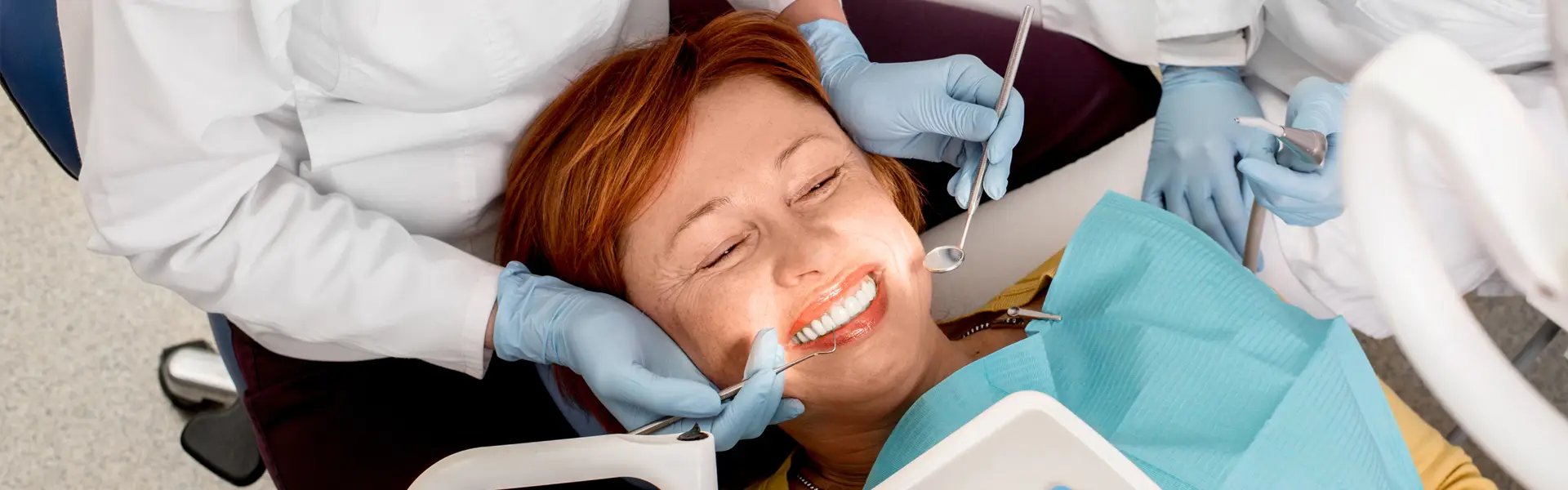
Tooth Extractions in Hayward, CA
A damaged or infected tooth may cause ongoing pain and interfere with daily activities. When a tooth can no longer be restored, removal may become necessary to protect surrounding teeth and oral health. Patients considering tooth extraction in Hayward are often dealing with discomfort, swelling, or infection that requires prompt attention. Tooth extractions focus on safely removing the affected tooth while supporting proper healing and comfort after the procedure.
When Tooth Removal Becomes Necessary
Teeth may need to be removed due to severe decay, infection, fracture, or overcrowding. In some cases, gum disease or trauma can compromise a tooth beyond repair. Leaving a problematic tooth untreated can allow infection to spread and increase discomfort over time. People often explore teeth extractions in Hayward when other treatment options are no longer appropriate or effective.
Evaluating the Tooth Before Extraction
Dental extraction treatment begins with a careful evaluation of the affected tooth and surrounding structures. The dentist examines the tooth, reviews imaging, and assesses gum and bone health. This step helps determine whether a simple extraction or a surgical approach is required. Careful planning allows for safe tooth removal that minimizes risk and supports recovery.
Simple and Surgical Extraction Approaches
Simple extractions are generally performed when the tooth is fully visible and can be removed with standard techniques. Surgical extractions may be needed for teeth that are broken, impacted, or located below the gumline. Both approaches focus on removing the tooth while protecting the surrounding gum and bone tissue. Patients looking for dental extraction in Hayward often want reassurance that the procedure will be performed carefully and with attention to comfort.
Comfort Measures and Aftercare Support
Managing comfort during and after an extraction is an important part of care. Local anesthesia is used to control discomfort during the procedure. After removal, the dentist provides guidance on extraction aftercare services, including managing swelling, protecting the extraction site, and supporting healing. Following aftercare instructions helps reduce complications and promotes proper recovery.
Planning for Healing and Next Steps
Once the tooth is removed, initial healing typically occurs over the following days, with continued healing over the next several weeks. The dentist monitors recovery and discusses options for replacing the missing tooth when appropriate. Addressing tooth loss early can help maintain bite function and prevent the shifting of nearby teeth. Some patients researching teeth extractions near you are also thinking ahead about long-term oral health and options for replacing the missing tooth.
Frequently Asked Questions
A tooth may need removal if it is severely damaged, infected, or cannot be restored. An examination and imaging help determine whether extraction is the safest option. Early evaluation can prevent complications.
Local anesthesia is used to manage discomfort during the procedure. Mild soreness afterward is common and usually improves as healing progresses. Your dentist will provide guidance to support comfort during recovery.
Initial healing often occurs within a few days, though full healing may take longer depending on the tooth and procedure. Following aftercare instructions supports proper recovery.
Patients are mostly advised to refrain from strenuous activity, smoking, and disturbing the extraction site during early healing. Specific aftercare instructions are provided after the procedure.
Taking the Next Step Toward Relief
If a damaged or infected tooth is causing pain or affecting your oral health, Cosmetic Dentistry of Hayward provides tooth extraction services focused on safety, comfort, and proper healing. Scheduling an evaluation allows the dental team to assess your condition and determine whether professional tooth extractions are appropriate to relieve pain and support healing.